
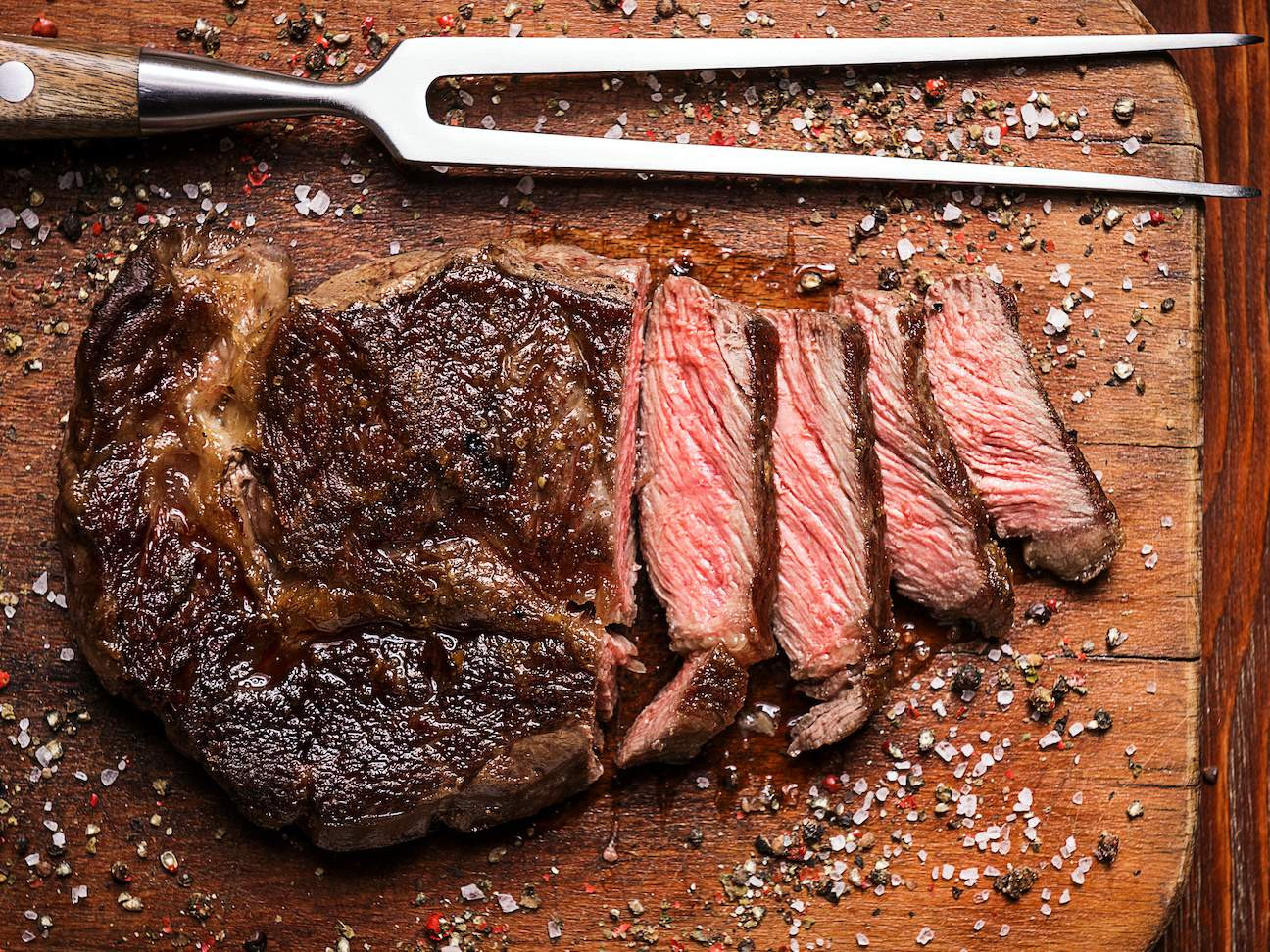


Chuck Eye Steak
Ribeye-like richness. Everyday steak appeal.
Sometimes called the “Ribeye’s Little Brother,” Chuck Eye offers much of the rich beef flavor, natural marbling, and satisfying character people love about ribeye at a more approachable price.
Averaging about 1 pound, this is a substantial steak for the grill or a hot cast-iron skillet. If you love a flavorful steak dinner, Chuck Eye deserves a regular place in your freezer.
Our Favorite Everyday Steak
Chuck Eye comes from the portion of the chuck located next to the ribeye. That location helps explain its ribeye-like character: beefy flavor, appealing marbling, and a satisfying bite.
Season it simply and let the beef do the work. Serve it with roasted vegetables and potatoes, make steak and eggs, or slice it across the grain for a hearty salad.
Our Most Important Ingredient: Time
Our cattle are raised slowly for more than 36 months, often around 42 months. We give them time to mature rather than rushing them to harvest. That patience helps develop the deep beef flavor, natural marbling, and substantial texture that make our beef special.
During the grazing season, we move our cattle to fresh pasture daily. They graze diverse grasses and other pasture plants on our regeneratively managed, zero-spray, chemical-free fields. In the cooler months, grass, hay, and baleage continue to nourish them.
Always 100% grass-fed and grass-finished. Never fed grain, corn, or soy. We raise our cattle without antibiotics, hormones, or vaccines.
After harvest, our beef is dry-aged and carefully cut by our local artisan butcher, then vacuum sealed and flash frozen while very fresh.
A Better Crust Starts with a Dry Brine
- Thaw the steak in the refrigerator and remove the packaging.
- Pat dry and salt both sides evenly, including the edges.
- Place on a rack over a tray and refrigerate uncovered for 12–24 hours.
- Before cooking, pat away any remaining surface moisture. Add pepper or other seasonings, accounting for the salt already applied.
The salt seasons the meat while the uncovered rest helps dry the surface for a flavorful browned crust. If time is short, pat dry and season immediately before cooking.
Cook It Directly: Hot Skillet or Grill
Our Chuck Eye steaks are cut thinner than our thick premium steaks. A direct sear is the right starting point. Check the center early rather than relying on a fixed cooking time.
- Preheat a heavy skillet or grill. For skillet cooking, add a small amount of beef tallow or another suitable cooking fat.
- Sear both sides until a browned crust develops. Sear the fatty edges briefly as well.
- Reduce the heat or move to a cooler part of the grill if the outside is browning faster than the center is cooking.
- Insert a thermometer from the side into the center to check doneness.
- Rest for about 5 minutes, then slice across the grain.
For a skillet finish, lower the heat and add butter, a crushed garlic clove, and thyme or rosemary. Briefly baste without allowing the butter to burn.
From Your Freezer to a Great Steak Dinner
Keep frozen until needed. Thaw in the refrigerator at 40°F or colder, with the package on a tray. Cook within 3–5 days after refrigerator thawing, or sooner if the package instructions specify. Dry-brining time is included in that window.